Friday, Nov. 13, 2026 (week-in-review bonus)
Three trade stories landed this week, and together they point one way: border costs on Canadian lumber aren’t coming down soon. Today’s week in review covers the duty bills and Canada’s C$6.5 billion forest-sector package. This bonus looks at what U.S. mills say they will do next.
The duty rates are settled. On Nov. 6 a NAFTA panel upheld Commerce’s anti-dumping findings, which ends Canada’s challenge. Most Canadian mills pay a combined 24.75% in duties, plus the 10% Section 232 tariff (our Nov. 11 post).
The 2024 bills are being paid. Commerce is applying the final rates to lumber shipped in 2024, so mills that paid lower deposits now owe the difference. Two of the largest Canadian producers expect retroactive bills of about US$63.3 million and C$45.9 million (Wood Central).
U.S. mills say they’ll match Canada’s aid with duties. After Ottawa promised its forest sector C$6.5 billion, the U.S. Lumber Coalition said it will work to collect “every cent of Canadian taxpayer-funded subsidies” through duties and tariffs. The Coalition counts more than $9 billion in new Canadian aid since August 2025 (Wood Central).
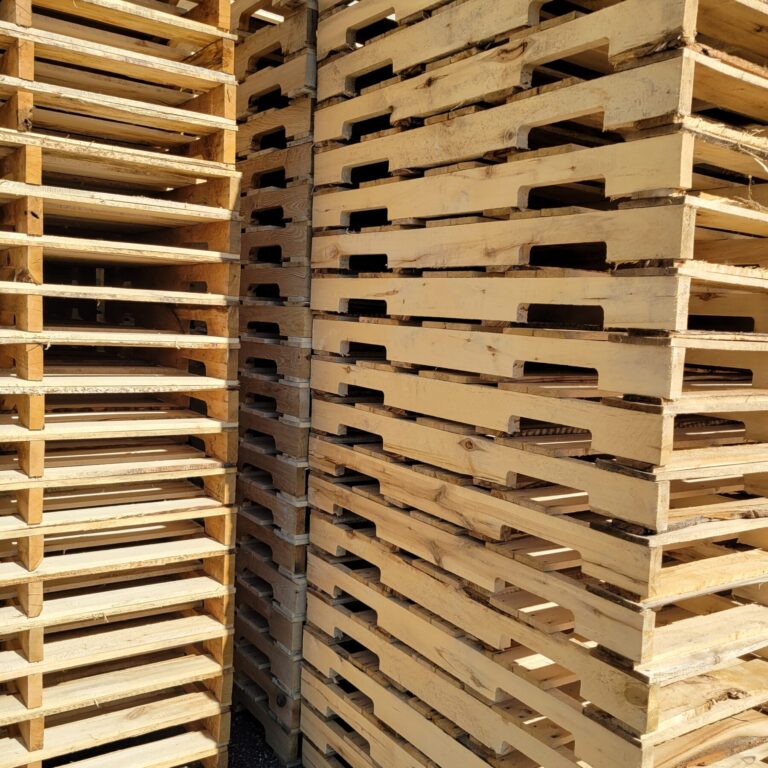
What it means: Border costs on Canadian lumber are staying high: most mills still pay 24.75% in duties plus the 10% Section 232 tariff, and U.S. producers say they will answer new Canadian aid with more of the same. Lumber is usually the largest cost in wood packaging, so that stack matters. If demand recovers, Canadian spruce-pine-fir could tighten as mills absorb the retroactive bills. This is a good time to plan 2027 specs for pallets and skids and industrial lumber. If you export, keep ISPM 15 heat treatment in that plan. Request a quote or call 414-520-3366.
Quick answers
What did the U.S. Lumber Coalition say about Canada’s forest-sector aid?
The Coalition said it will work to collect “every cent of Canadian taxpayer-funded subsidies” through duties and tariffs, after Ottawa promised its forest sector C$6.5 billion. The Coalition counts more than $9 billion in new Canadian aid since August 2025.
Are duties on Canadian softwood lumber coming down?
Not in the near term. On Nov. 6 a NAFTA panel upheld Commerce’s anti-dumping findings, ending Canada’s challenge. Most Canadian mills pay a combined 24.75% in duties, plus the 10% Section 232 tariff.
What are the 2024 retroactive duty bills?
Commerce is applying the final rates to lumber shipped in 2024, so mills that paid lower deposits now owe the difference. Two of the largest Canadian producers expect retroactive bills of about US$63.3 million and C$45.9 million.
What should a packaging buyer take from this?
Border costs on Canadian lumber are staying high, and lumber is usually the largest cost in wood packaging. If demand recovers, Canadian spruce-pine-fir could tighten as mills absorb the retroactive bills. Plan 2027 specs for pallets, skids and industrial lumber, and include ISPM 15 heat treatment if you export.
Seymour Lumberton, Wisconsin Lumber & Pallet